
Tax exemption for ‘Granny Flat’ arrangements
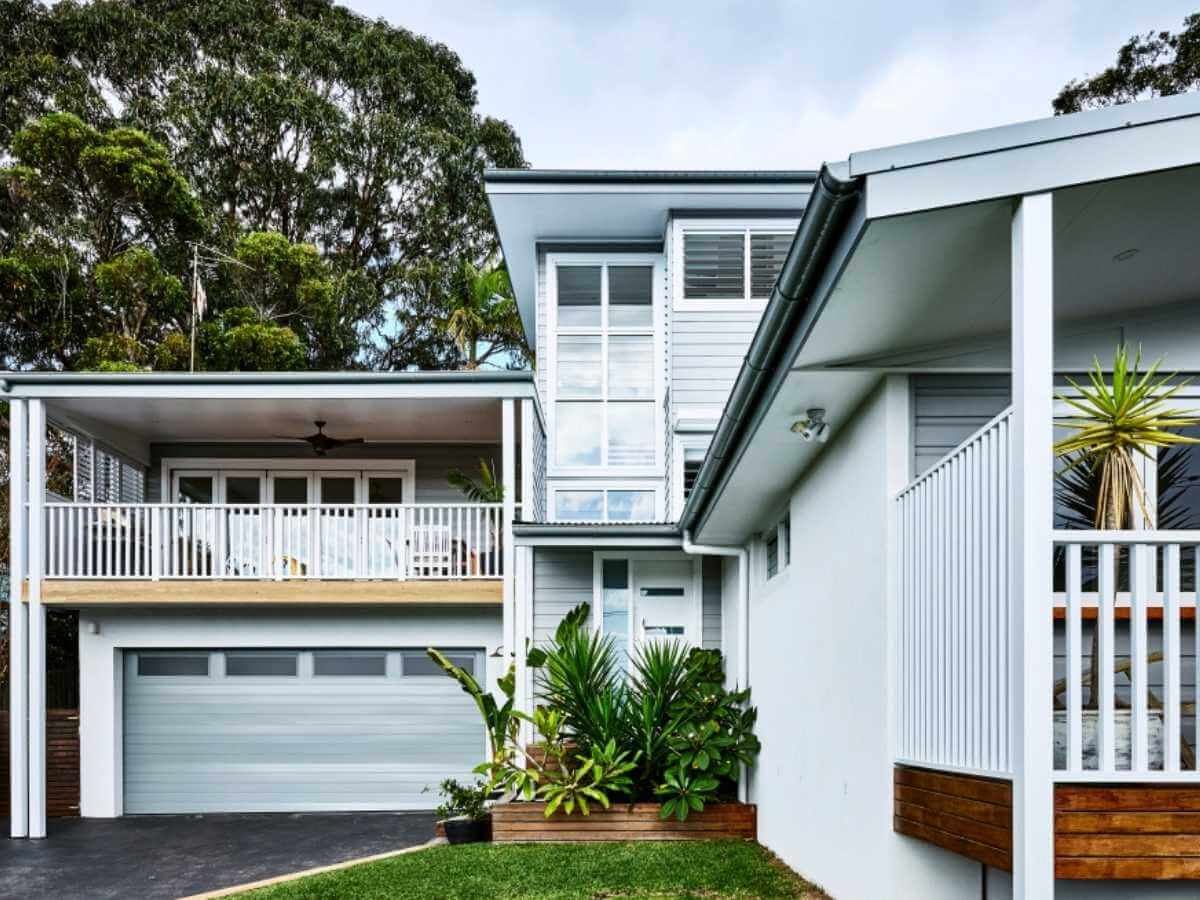
Is this an option for you and your family?
To protect older Australians, the Government has moved to formalise ‘granny flat arrangements’ by providing an incentive to protect all parties in the arrangement.
Typically, granny flat arrangements occur when an older person transfers some sort of consideration (often title to property or proceeds from the sale of property) to their adult child in exchange for the promise of ongoing care, support and housing. In some circumstances, it’s a way for a parent to give their children access to their inheritance when it’s needed not at a later point when the person dies.
However, a 2017 Australian Law Reform Commission report highlighted the potential for elder abuse where granny flat arrangements fall apart. If the relationship breaks down, or other unforeseen circumstances arise, the older person can be left homeless. A central problem is a lack of formality in these arrangements.
The tax system, in particular, the capital gains tax (CGT) system, acts as a disincentive to formalising a granny flat arrangement. Under the current rules if a granny flat arrangement if formalised, this can lead to an upfront tax liability for the home owners. Also, the children can potentially lose part of their main residence exemption when the parent pays for the right to live in the home depending on how the arrangement is structured. If the arrangement is left informal, and the money paid by the parent is merely a gift, the main residence exemption is generally unaffected.
Recently released exposure draft legislation seeks to overcome the disincentive to formalising a granny flat arrangement by providing a CGT exemption.
This does not mean that every separate dwelling built out the back of a house will have a CGT exemption. The legal meaning of granny flat is derived from social security law; it describes an arrangement rather than a type of accommodation and can arise whenever money or other consideration is given in exchange for a right to use an accommodation for life.
The draft legislation provides that no CGT event will arise from a granny flat arrangement where certain conditions are met, including where the individual with the granny flat arrangement has:
- Reached pension age or has a disability, and
- That the arrangement is in writing and is not of a commercial nature.
Further help:
If you have questions or concerns about entering into an arrangement like this, please feel free to contact us for assistance.
You can find out more about working with Marsh & Partners here. As your Absolute.Account.Ability to partner, we’re on a mission to make your business life better. We’ll help you set goals for your business, devise an Action Plan to make them happen and meet with you regularly to ensure you stay on track.
